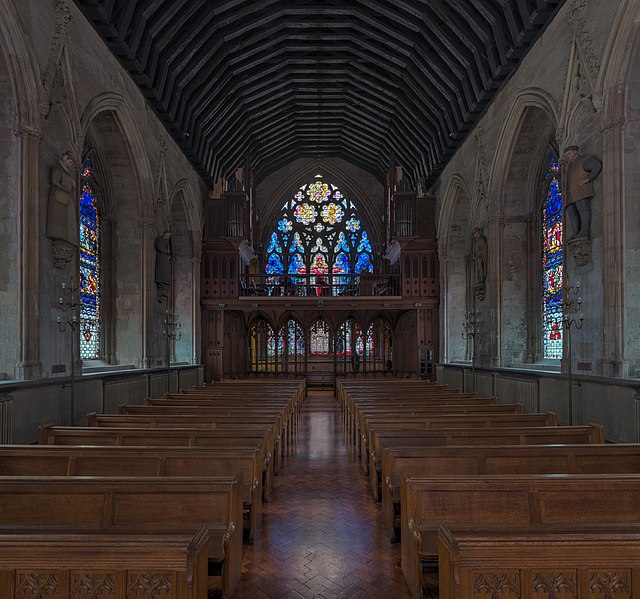
The strength of spirituality continues
By Karenna Johnson
Oct. 3, 2021
“What’s your sign?”
“I’m spiritual not religious.”
“I’m a moderate Christian”
Sun sign, moon sign, Jesus or Muhammad. The tactics change, but the end goal remains the same: People have a need for deeper meaning.
The Public Religion Research Institute studies religious trends in the United States. Since 1986, there has been a 26 percent increase in adults 18-29 who claim no religious affiliation. Unaffiliated adulted now stand at 36 percent. Despite this increase, religious unaffiliated adults, Pew Research Center shows that 95 percent secular adults still believe in spiritual higher power.
This data seem to suggest adults are maybe moving away from traditional expressions of faith to more mystical beliefs. But either way, many people are still looking for meaning outside themselves.
Traditional expressions of faith and religion include, Christianity (mainline prosetant, Evangelical protestant, Catholicism), Islam, Hindism and Buddism. Religious beliefs tend to be fixed on more of a “moral code”. Common with traditional faith practices are rules, rituals, expectations, and organized worship. Structure is the cornerstone of traditional faith practices. Again, the data suggests that younger people are moving away from religion because it’s too restrictive and seems outdated.
So people are moving toward less structured forms of spirituality. Like, astrology, crystals, tarot card readings, some sort of undefined higher power. And some people even go as far as psychedelic drugs to have spirituality experiences.
As high school students, we’re looking for purpose and deeper meaning in our lives. We also have a need for personal expression- to cultivate our own personal identities. Perhaps the structured traditional faith practices are too limiting to our desire for creating identity?
Along with our identities and love for personal expression, Gen Z loves options. Because traditional religions tend to be stricter and have defined moral codes, religious communities have less choice and options. This can feel constraining to Gen Zers in a way that crystals and horoscopes do not.
Take for example, astrology. A Pew research study finds that 29 percent of American adults believe in astrology. In Gen Z culture, astrology seems to be even more popular. In Gen Z centric social media, especially Tik Tok and Instagram, astrology is an ever present theme seen among content. Astrology gives clear (if inaccurate?) answers to deep questions. With Gen Z’s identity in progress, astrology gives concrete, non-threatening clues to life’s big questions — filling the role traditional religion played for previous generations.
I find it interesting that whether it’s traditional religion or newer forms of spirituality, people still sense that there is something deeper than what we can see. Spiritual purpose hasn’t lost its meaning, it’s just being found in different places. Traditional religion roots people in a relationship with God, while alternate forms of spirituality root people in a deeper connection with themselves.
As different as we think we are, we are all connected by the need for deeper meaning. Gen Z are looking for spiritual experiences, but are the places they’re looking for going to last? As cultural trends continue to change and evolve, where will we go next to find something deeper than ourselves? Will our culture continue to move toward an open spirituality or will we find a need to return to our connection and relationship with God through religion?
 karennajohnson.com
Leave a comment