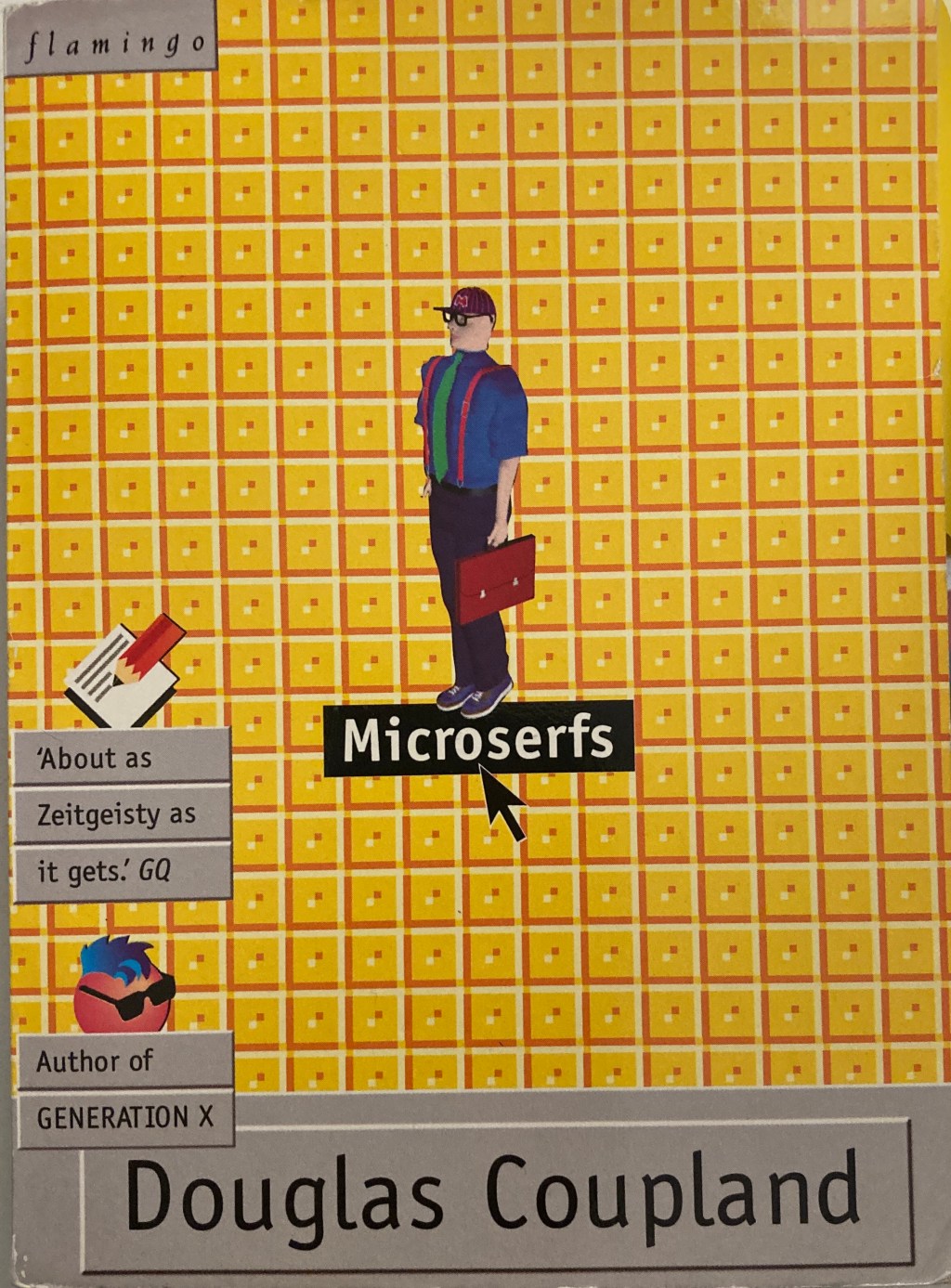
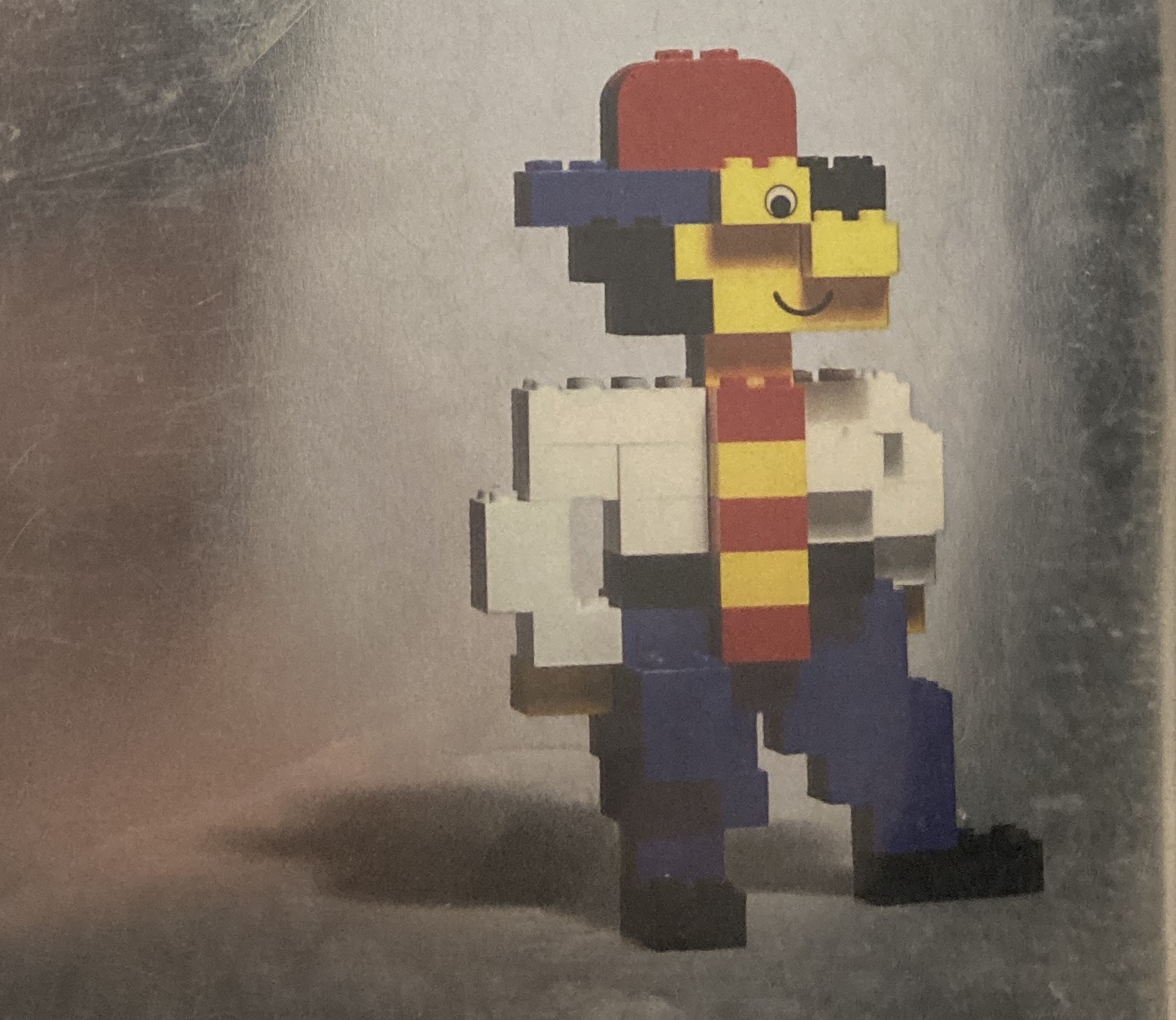
Microserfs: Douglas Coupland’s 1995 Criticism for Today’s Digital Age
Douglas Coupland’s 1995 epistolary novel, Microserfs, follows main character (and narrator) Daniel. Microserfs also features an ensemble “cast” of coders named Susan, Todd, Bug Barbecue, Micheal, Karla, Abe and Ethan. Readers follow in Dan’s almost blog-like diary entries, as his coworkers transition from working at Microsoft to starting their own game called Oop!. Coupland throughout his novel criticizes the “.com” age.
Coupland–a literary and visual artist–perfectly blends the two in this novel. Coupland uses interesting fronts, formatting and words to create a thought provoking blend of visual/literary art. This is something I love about Coupland’s writing. He is not afraid to go beyond the typical style of writing and do something truly creative with his novel. (I think JPod and Microserfs do this the best. Because they both have the most outright unique stylistic choices.) In one particular chapter, Daniel (Coupland), rewrites the entry with a “Prince Emulator”, for more specially “a program th@ converts whatever you write into a title of a song by Minnesota Funkmeister, Prince”.
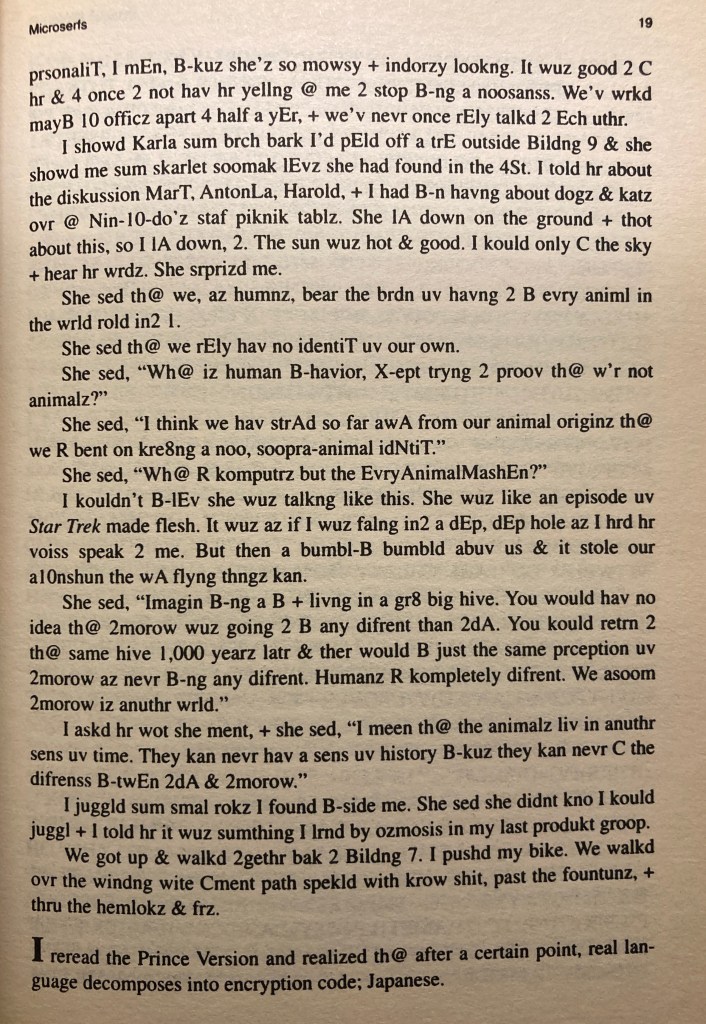
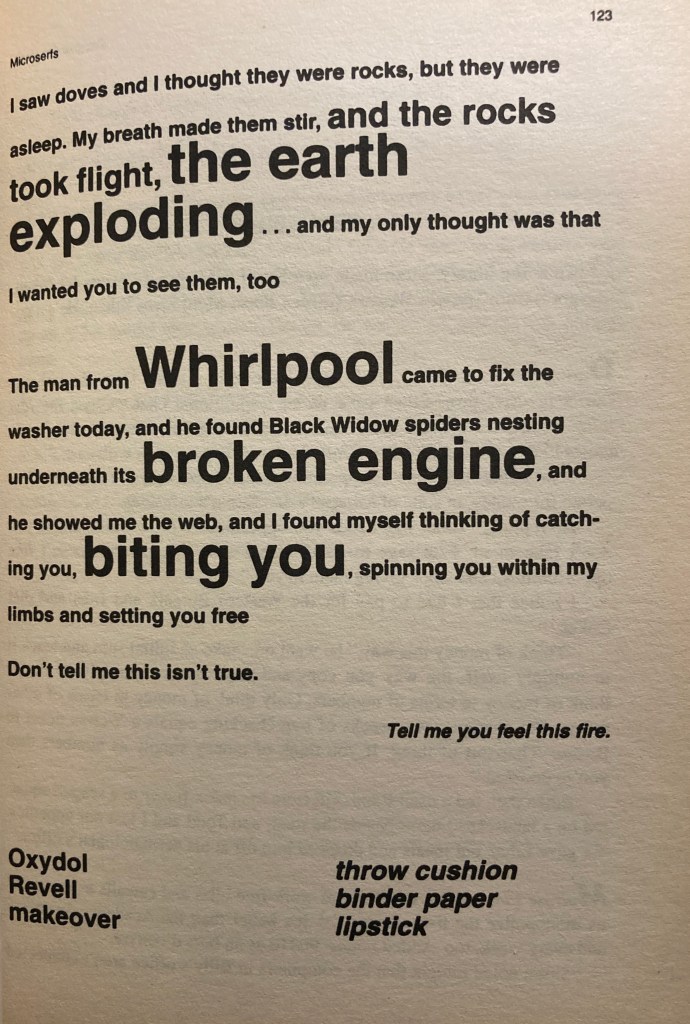
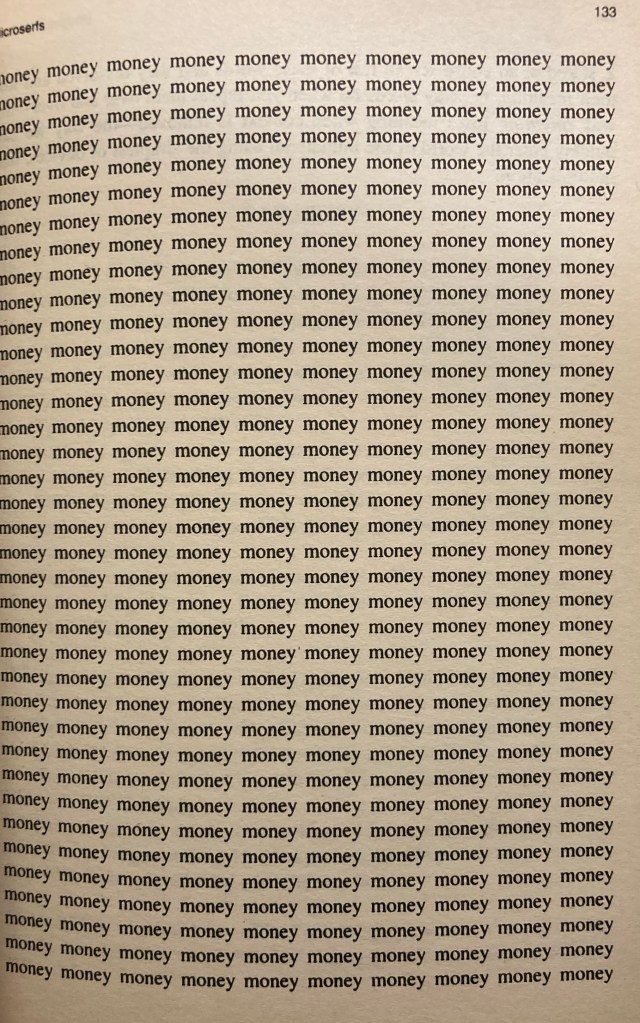
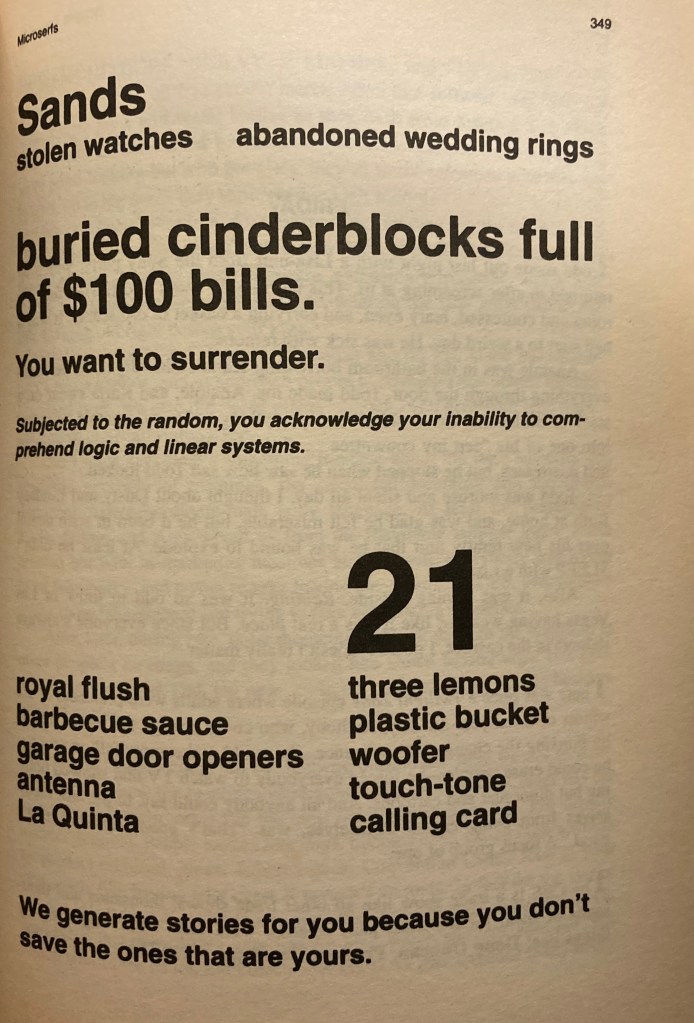
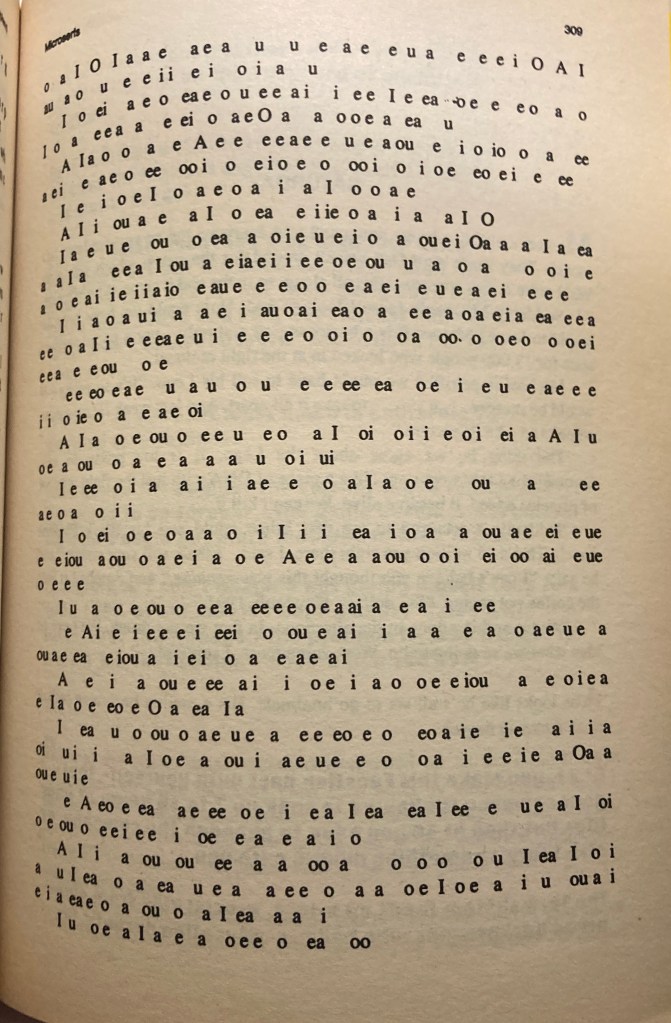
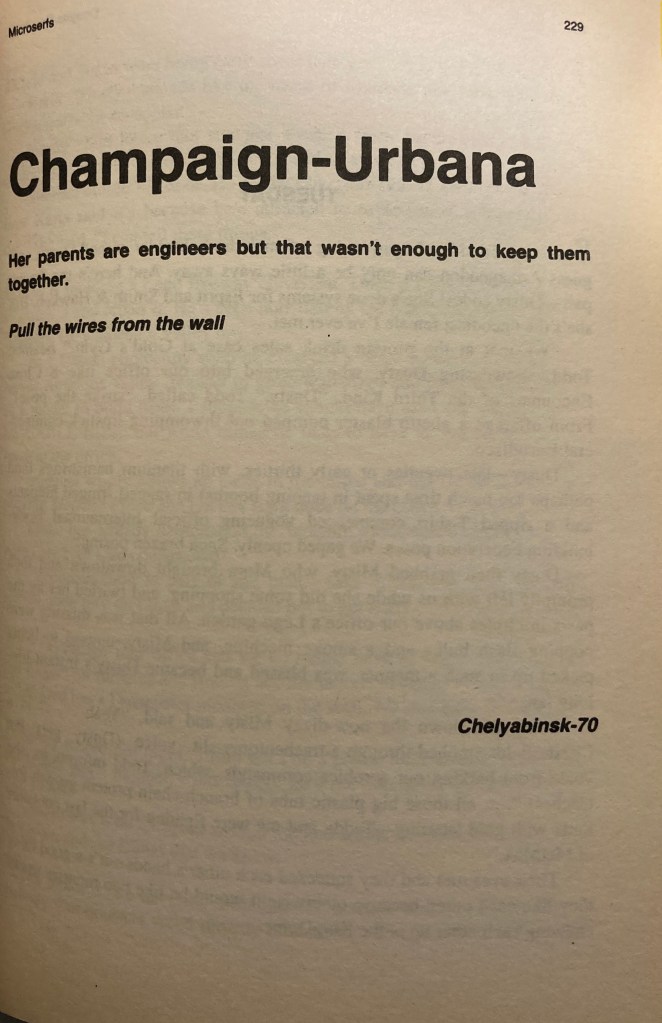
(above are a few of Coupland’s both visual and literary art on display. This first one is “Prince Emulator”.)
Coupland is the perfect artist for the digital age.
However, not only can Coupland make interesting art, but he can also interestingly criticize the world around him. Starting out at Microsoft, Coupland seems to use the glorification of then Microsoft CEO, Bill Gates, to satirize the tech industry and show how the employees become “serfs” to the head of the business. In one scene, Dan’s boss is called to meet with Bill Gates and he writes, “Michael got invited to lunch today with (oh God, I can barely input the letters…) B-B-B-B-B-I-L-L!”
Coupland, before any other cultural critics, saw the cult worship of the charismatic business leader. With the onset of Google, TikTok, Instagram and other digital platforms the worship of high up business leaders has only increased. (An example would be the highly controversial leader of Tesla, Twitter, SpaceX, and Neurolink: Elon Musk.) Although Coupland only writes this glorification from those who work for big tech, the same principle is applied to many tech users today as Apple, social media platforms dictate our lives. Coupland saw the tremendous amount of influence these people would have over popular culture before anyone could expect it.
Dan continues to write about “the cult of Bill” but also the existential forces that the novel focuses on. In the fallout of a discussion Dan and his friends had about “the Entity”. Karla says, “Long after we’re dead, computers will continue to be developed and sooner or later– it is not a matter of if, but when– and an ‘Entity’ is going to be created that has its own intelligence… The critical question is, Will this Entity be something other than human?”
Later, Dan writes:
“Maybe we like to believe that Bill knows what the Entity will be. It makes us feel as though there’s a moral force holding the reins of technological progress. Maybe he does know. But then maybe Bill simply provides a focus for the company when no other focus can be found. I mean, if it weren’t for the cult of Bill, this place would be deadsville—like one great big office supply company. Which is sort of what it is. I mean, if you really think about it.”
(This quote reminds me that one thing I love about Coupland’s writing style is that it makes challenging ideas accessible to readers.)
Dan and his co-workers worship “Bill” and their imagination of him. Dan seems to recognize this worship by questioning Bill”’s real understanding of big questions– like the Entity. Dan writes, “Maybe he does know. But then..”. Coupland through Dan is showing the futility of working at a business like Microsoft that the time (but also through today), Dan throughout the novel acknowledges the importance of his work. However, he questions moral impactions and also the actual work they do (by calling it a “office supply company”).
Coupland challenges the moral reasoning for the work they do at Microsoft through a character that is also in the “cult of Bill”. Dan begins to wrestle with his understanding of the futility of his work. He seems to be asking questions like, what is the moral force of the tech industry at big corporations like Microsoft? Do big names like Bill Gates really know the meaning of everything they do?
Dan is a precursor to many Americans today. Many devoted tech workers and even those who value the tech industry, are beginning to question the morals of them all. Bill Gates is now stretching far beyond just Microsoft, like his work to develop vaccines and help prevent epidemics. Again, tech billionaires like Musk are getting backlash for overreaching. Coupland writing from the beginning of the tech boom could already see “serfdom” to these individuals. Reading back on this novel now, we must ask ourselves, have we all become Mircoserfs?
 karennajohnson.com
Leave a comment